
The gut microbiota, a dynamic community in the human gastrointestinal tract, is crucial for understanding the microbiota-gut-brain axis, affecting physical and mental health. Despite advances in microbiome research, low- and middle-income countries are underrepresented, leaving an incomplete view of global microbiome diversity and its health effects. This project aims to create a citizen science system to develop a national database for evaluating microbiota-gut-brain axis health by involving participants from diverse regions in Mexico.
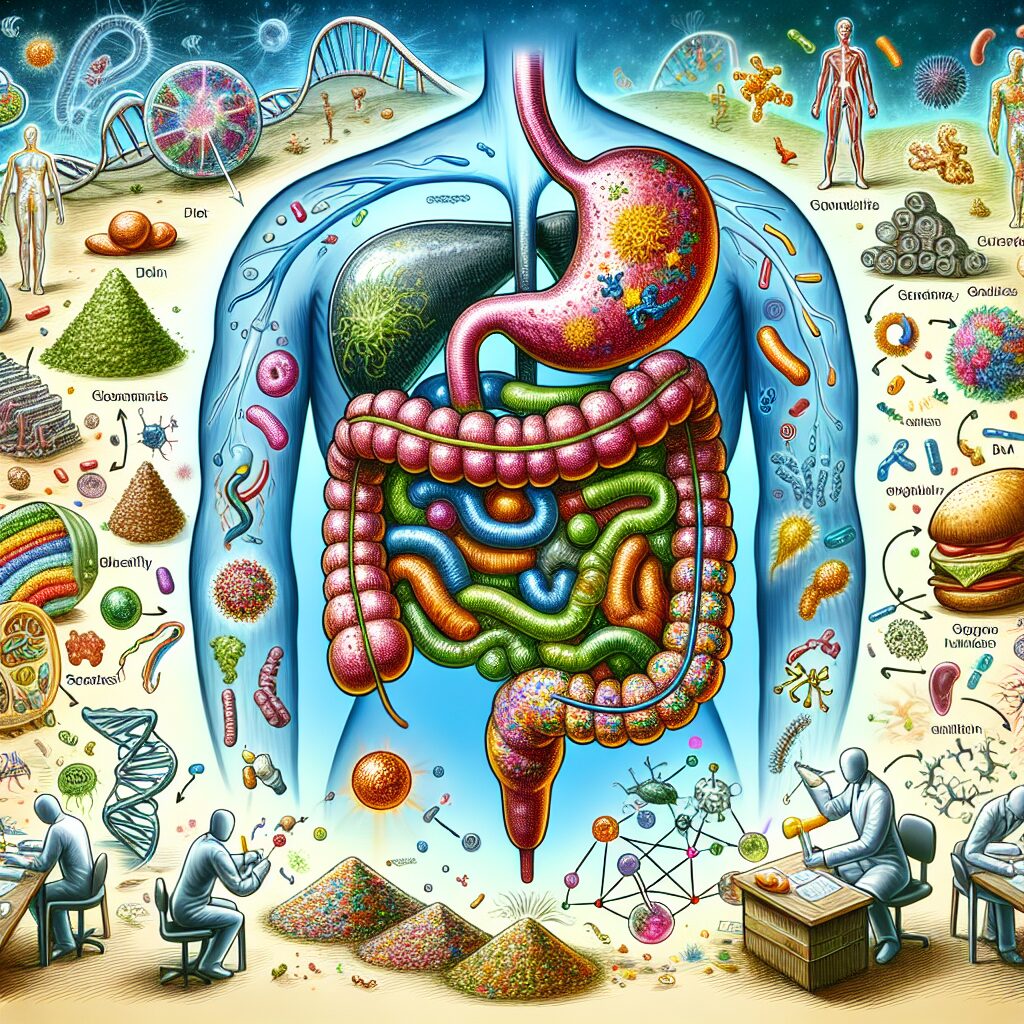
The Importance of Studying the Gut Microbiota
The gut microbiota has become increasingly important due to its impact on human health. This diverse mix of bacteria, fungi, and microorganisms is essential for nutrient digestion, vitamin production, and immune regulation, maintaining balance in the body (Lebeer et al., 2022). Differences in microbiota among individuals are linked to diet, genetics, and environment, highlighting the necessity for further studies to explore its functionality and diversity.
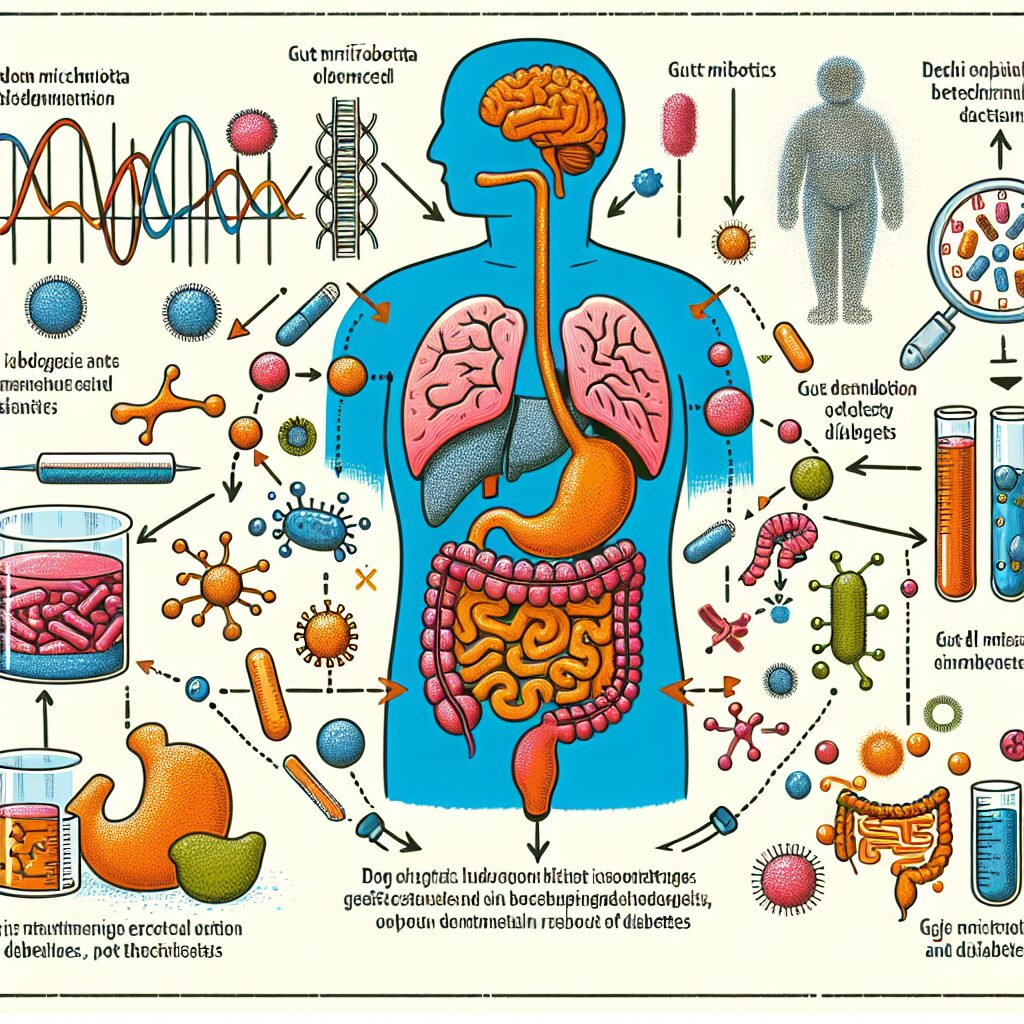
Relationship Between Gut Microbiota and Non-Communicable Diseases (NCDs)
Non-communicable diseases (NCDs), like diabetes, cancer, cardiovascular diseases, and chronic respiratory conditions, are not spread directly between people. Their development is closely tied to genetics and lifestyle choices, such as inactivity, poor diet, and excessive alcohol use (World Health Organization, 2021). NCDs are responsible for 70% of global deaths, affecting about 41 million people annually (World Health Organization, 2021).
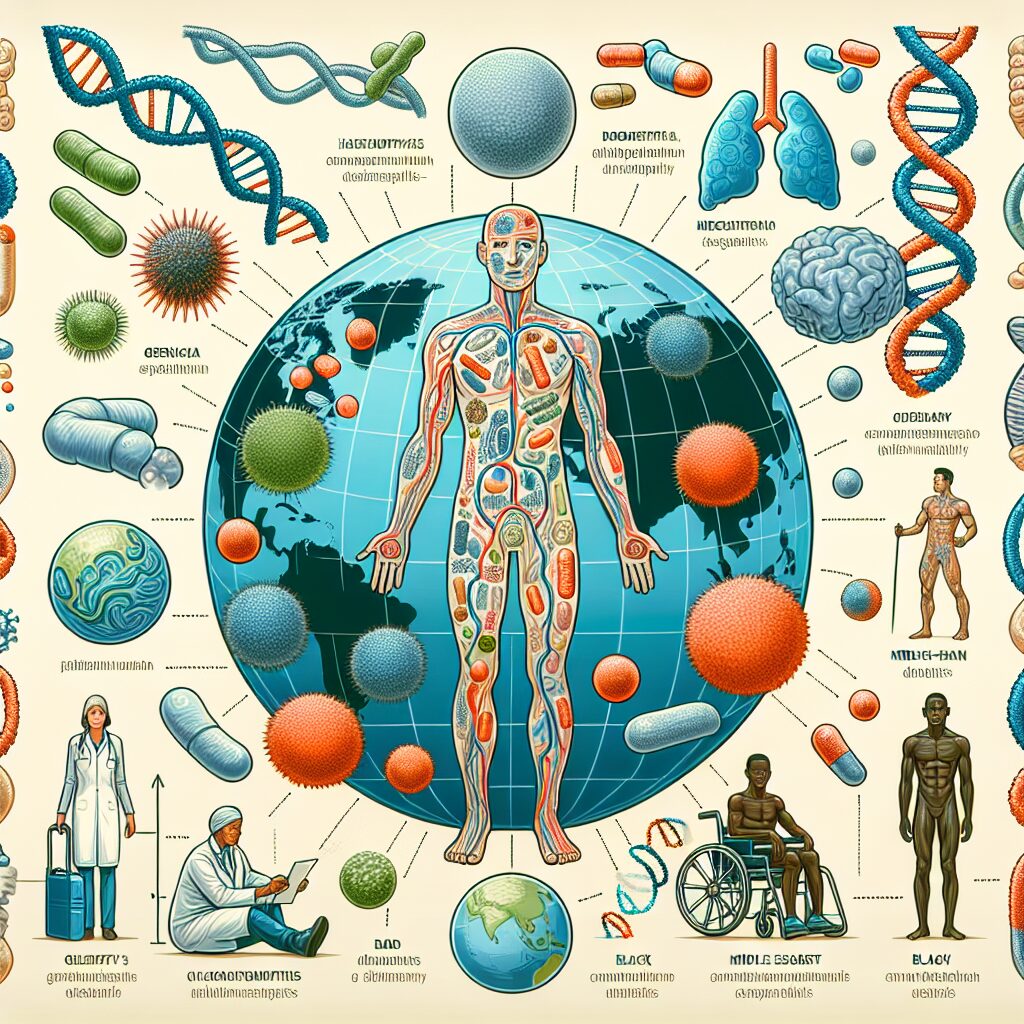
Underrepresentation of Certain Countries and Groups in Microbiota Studies
As Addill and colleagues (2022) discussed, evidence suggests the human microbiome significantly impacts health and disease. Identifying specific microbiome-health connections requires comprehensive studies across diverse populations and health conditions. Even among healthy individuals, microbiome composition varies widely due to geography, relocation, genetics, and ethnicity (Abdill et al., 2022).
Potential of Citizen Science to Address Underrepresentation
Citizen science has proven to be an effective approach for tackling underrepresentation in microbiota studies by facilitating the participation of individuals from diverse regions in the collection of microbiological data. This methodology democratizes access to scientific research, involving communities in the monitoring and assessment of their gut microbiota, thereby contributing to the generation of data that better reflect global diversity (Sherbinin et al., 2021). In this context, citizen science not only enriches the available data pool but also fosters community empowerment and the adoption of evidence-based healthy habits.
The implementation of citizen science projects in underrepresented communities can provide a richer data set that allows for a more inclusive and detailed analysis of microbial dynamics. This way, both socioeconomic and biological factors affecting microbiota composition in diverse populations can be addressed, helping to develop more equitable strategies for preventing and treating non-communicable diseases (Callaghan et al., 2021).

The system
This project uses citizen science to create a national database assessing the health of the microbiota-gut-brain axis. By involving community members in data collection, it aims to boost public awareness while gathering comprehensive microbiota data. The methodology includes self-assessment health surveys, fecal sample collection, food intake diaries, AI dietary analysis, ecological diversity metrics, and population network analyses.
Project Components:
- Health Questionnaires: Participants complete surveys on gastrointestinal symptoms, diet, lifestyle, and mental well-being to assess gut-brain interactions. -> See questionaries
- Fecal Sample Collection: Standardized kits are used to collect and analyze microbiota DNA, providing a detailed microbiome profile through 16S rRNA sequencing.
- Food Diaries: Participants document all meals for 30 days with photos and descriptions, capturing both dietary habits and subjective health impacts.
- AI Food Classification: An AI system evaluates the food diaries, categorizing meals as beneficial, neutral, or detrimental for gut health, based on expert guidelines.
- Microbiota Diversity Metrics: Genetic data is used to calculate ecological diversity, including richness (alpha diversity) and differences between individuals (beta diversity).
- Population Network Analysis: Network analysis assesses community connectivity and its impact on microbiota health, using demographic and lifestyle data.
- Data Contextualization: Socioeconomic, geographic, and lifestyle variables are mapped to understand influences on microbiota diversity and mental health.
Data Management and Privacy:
All collected data are securely stored and anonymized to protect participant privacy. The database integrates health surveys, microbiome data, dietary records, and network analysis to enable a holistic study of the microbiota-gut-brain axis. Participants have full rights to withdraw their data at any time.